
Social Connection and Youth Voice as an Antidote to the Youth Mental Health Crisis
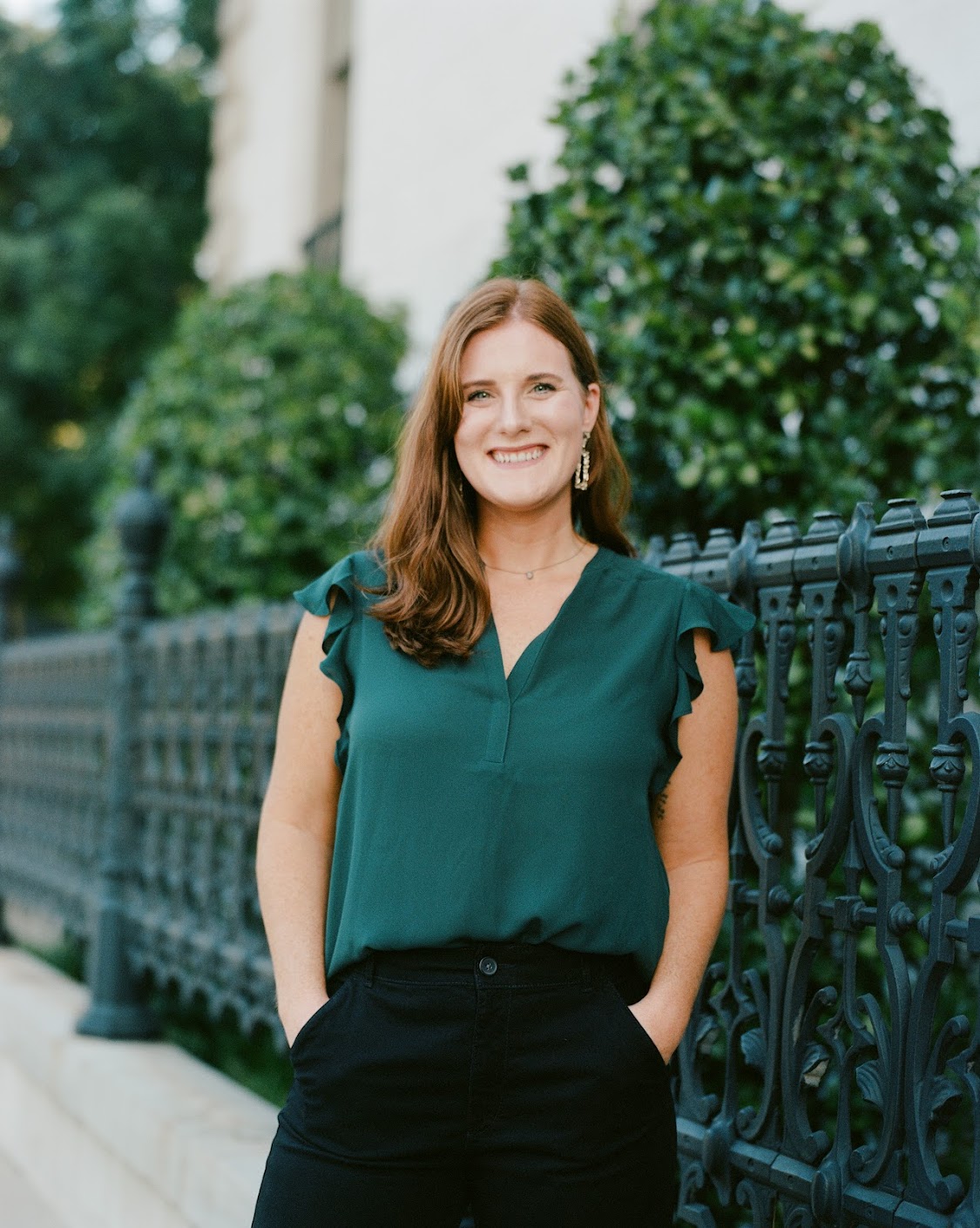
Welcome to Resilient Futures, our new monthly blog series that explores the issues and experiences shaping the lives of young people today. Throughout the academic year, we’ll seek to better understand what youth are experiencing, what they need from adults and communities around them, and what they can teach us. Our hope is to spark meaningful conversations, challenge assumptions, and inspire us to think differently about how we support young people and create a future where they feel connected, heard, valued, and able to thrive. In this first post, Nikki Tobeck, Regional Program Manager at Resilient Georgia, explores the connection between youth mental health and social connection, and why elevating young voices is an important piece in creating a healthier society for all.

The Youth Mental Health Crisis
Young people today are navigating a changing and challenging world that can affect their mental health and well-being. From social media and technology to academic pressure, from trauma and adversity to loneliness and social disconnection, from violence
and substance use to uncertainty about the future, it’s no surprise that youth and young adults today are experiencing a mental health crisis. According to the CDC, youth mental health remains a significant concern in the United States. In 2023, 40% of high school students reported persistent sadness or hopelessness, up from 30% in 2013, while 20% considered suicide and 9% reported an attempted suicide. Female students (53%) and LGBTQ+ students (65%) were even more likely to report poor mental health. The CDC identified school connectedness as one of the strongest protective factors for youth. When students feel cared for, supported, and valued by adults and peers at school, they are less likely to experience poor mental health. As we prepare for another school year, these findings are important, but I believe the power of connection reaches far beyond school walls.
If connection is the antidote, what if disconnection is the illness? Let's think about our modern-day society and the current cultural context. What has evolved and changed over the last ten to twenty years? To name a few:
An increase of technology, social media, and remote work
A global pandemic that normalized social distancing
Growing political polarization, division, and bigotry
Rapid advances in artificial intelligence
A decline in safe, affordable "third spaces" such as shopping malls, community centers, skate rinks, libraries, and other social gathering spaces outside of work and home
All of this has reshaped how we connect with one another and may be contributing to greater isolation, loneliness, and poor mental health. In fact, I would argue that what we are experiencing is not simply a mental health crisis, but a social connection crisis. As adults, we most likely have seen an impact on our own mental health due to these factors, so we can only imagine how this is impacting young people's developing brains. So, what can we do as a society to support them?
Connection as a Protective Factor
Human beings are wired for connection. We thrive when we feel seen, valued, and supported by one another. According to the CDC, positive relationships help reduce stress, anxiety, and depression while improving overall health and well-being. For youth, meaningful connections at home, in school, and within their communities are among the strongest protective factors for mental health. If we want to improve the well-being of young people, we must prioritize creating opportunities for connection, belonging, and supportive relationships, but before we can do that, we need to understand what is getting in the way.
What breeds disconnection?
One of the biggest barriers to connecting with young people may be the assumptions we make about them. The younger generation seems to be described as lazy, anxious, unmotivated, entitled, overly sensitive, socially awkward, or unwilling to work hard, but these criticisms aren’t new. I heard similar things about Millennials when I was a teenager! And honestly, I still find myself rolling my eyes when I hear the same, tired narratives today, just as I did back then.
Older generations have always had a lot to say about the youngest and most vulnerable among us, often without considering who is raising them, how they are being raised, or the societal context in which they are developing. Our young people have been through A LOT. They’ve experienced bullying and online harassment, school and community shootings, racism and discrimination, economic uncertainty and poverty, natural disasters and climate-related events, a global pandemic, and a constant stream of violence, tragedy, and polarization through the media. And that's not even a complete list! They’re growing up with a level of uncertainty about the future that many of us didn’t experience.
So I ask you this: Is it really a surprise they’re experiencing more anxiety and hopelessness? Can we perhaps...give them a break? Rather than blaming and judging young people, we need to focus on the strengths they bring to the table. What if instead of asking, “What’s wrong with this generation?” we acknowledge the hardships they've experienced and maybe even wonder, “What can we learn from them?”
What can we learn from youth voices?
Youth today are authentic, creative, innovative, and passionate about creating a healthier, more equitable world. They are skilled at new technology, open to different perspectives, and willing to challenge systems that are simply not working. Many care deeply about their communities and want to be part of creating positive change, and yet, what we frequently hear from youth is that they feel overlooked and misunderstood, when they really just want to be seen, heard, and valued. If we truly want to improve youth wellbeing and improve social connection, we need to create space for youth voice and perspectives. Listening to young people, valuing their experiences, and empowering them to create solutions are some of the most powerful ways we can foster connection, belonging, and resilience.
A Call to Action, A Call for Authors!
That commitment to elevating youth voice is one of the reasons Resilient Georgia launched this Resilient Futures Blog Campaign running monthly through May 2027. We don’t want this series to simply be about young people, we want to hear their perspectives and stories. We’re inviting young people ages 14–26 to be guest authors. If you have a story or perspective to share about mental health or the challenges young people are facing today, we want to hear from you! We’re looking for folks who want to share their experiences, insights, and ideas on topics such as mental health and well-being, positive youth development, navigating challenges and adversity, and personal stories of healing and building resilience.
Interested in being a guest author? Email me at ntobeck@resilientga.org with your idea. Your unique perspective will help others feel less alone and inspire conversations about how we can better support the mental health and resilience of young people!
Resources to Strengthen Social Connection and Support Youth Wellbeing
If you'd like to learn more about fostering connection, supporting youth mental health, and creating trauma-informed environments, explore these resources:
CDC: Improving Social Connectedness: Practical, research-based strategies for building meaningful relationships and reducing loneliness.
Communities for Youth: Building Social Connection With Youth: Tips and resources for strengthening youth connections with peers, caregivers, and trusted adults.
Connections Matter Training: Training focused on building healthy brains, preventing childhood adversity, and the healing power of connection and relationships.
Foundation for Social Connection: National resources, research, and tools to advance social connection and community well-being.
Reaching Teens Training: Strengths-based training that helps youth-serving professionals support adolescent mental health, resilience, and healthy development.
Author Bio:

Nikki Tobeck supports statewide coalition-building efforts and advances trauma-informed, resilience-focused initiatives in her role at Resilient Georgia. A trained mental health professional and trauma-informed, mind-body wellness educator, Nikki is passionate about expanding access to mental health support and equipping individuals, organizations, and communities with practical tools to foster resilience and well-being. Originally from Illinois, she earned a Bachelor's in Psychology from the University of Illinois Urbana-Champaign and an M.Ed. in Counselor Education with a concentration in Clinical Mental Health from Georgia Southern University. Nikki is also a Registered Yoga Teacher (RYT-200) and enjoys sharing trauma-sensitive yoga and other mind-body practices that promote healing. Outside of work, she can often be found teaching fitness classes, salsa dancing, writing poetry, or performing in local theatre. She lives in Savannah with her dog and cat, Atticus and Scout.


Great insights on the importance of social connection and youth voice in addressing the mental health crisis. It's striking how isolation and digital pressures weigh on young people today. While we focus on emotional support, even small environmental factors—like reducing distracting background noise in classrooms or virtual meetings—can help create calmer, more focused spaces for youth to engage. Tools like NoiseVanish may seem minor in comparison, but clearer audio environments can contribute to better communication and connection, which are foundational to resilience.
During a recent break, I was checking a few gaming platforms to see which ones were easier to understand without spending too much time figuring out the layout. The FastWin Game page caught my attention because the information was arranged in a fairly straightforward way. I could move through the available sections without getting lost, and the overall presentation was easier to follow than some other gaming pages I had checked. For someone new to a platform, that kind of simple arrangement can make exploring less confusing.
Me pareció muy interesante la información compartida en este artículo. Para quienes siguen los resultados de la lotería en Estados Unidos, consultar información actualizada puede ser bastante útil. lotería new york permite revisar los resultados de New York Noche de una manera sencilla y práctica.
Physical health and clear breathing play an essential role in daily well-being and stress relief. If chronic sinus discomfort or breathing issues are affecting quality of life, reviewing https://northfultonent.com/what-can-an-ent-learn-from-a-nasal-endoscopy/ explains how a diagnostic scope helps identify underlying causes.